Is a ThermaLine Roof Ice Melt System Right for Your Northeast Ohio Home?

Grant Roofs Ohio • October 28, 2026

Share this article

When ice repeatedly collects along the same roof edge, homeowners want a solution they can plan before the next storm. The first step is understanding the roof, the path of meltwater, and the conditions contributing to the problem. A roof ice melt system may be one part of that plan.

ThermaLine uses heated roof panels and heat-trace cable to help manage ice in designated roof areas. Choosing a system requires an assessment of roof compatibility, the areas needing protection, drainage, and electrical requirements. It should also include a conversation about attic conditions that may be contributing to ice formation.

Grant Roofs Ohio offers ThermaLine roof ice melt systems for homeowners exploring winter protection in Westlake and across Northeast Ohio. Here is what to discuss before deciding whether the approach fits your home.

What Is a ThermaLine Roof Ice Melt System?

ThermaLine offers different products for roof edges, valleys, and other applications. Its ThermaShingle product is designed for asphalt shingle roofs, including compatible new and existing roofs. The manufacturer describes panels that hold heat-trace cable in a protected raceway and transfer heat to the panel.

That is a different arrangement from simply laying exposed cable in a zigzag pattern. However, the name of the product alone does not define a complete installation. The selected components, their placement, and the way meltwater leaves the protected area are all part of the proposal.

Ask the installer to identify the exact product in the estimate and show where it would be placed on your roof. A marked photograph or drawing can make that discussion much easier to follow.

Begin With the History of the Ice Problem

Gather photos from previous winters and describe what happened. Was the ice concentrated along one eave, below a roof valley, or near an entry? Did water enter the home, or was the main concern ice collecting above a walking area?

These details help define the problem you want the project to address. A proposal for one roof edge should not be mistaken for protection of every roof area. Ask the contractor to explain the intended coverage and any limitations.

  • Location: Mark where the buildup repeatedly occurred.
  • Timing: Note whether it followed snowfall, a thaw, or another pattern.
  • Interior effects: Identify stains or leaks and whether they were repaired.
  • Previous work: Share any insulation, ventilation, gutter, or roof changes.
  • Existing equipment: Identify any installed heat cable and its service history.

You do not need to determine the cause yourself. A useful consultation turns this history into a focused inspection and a written recommendation.

Evaluate the Roof Before Adding Equipment

Ask whether the roof covering and adjoining components are suitable for the proposed installation. If a roof repair or replacement is already needed, discuss the order of work before purchasing a system.

Grant Roofs Ohio's roof repair services can be part of that evaluation. A deicing proposal should not leave an active leak or deteriorated roof detail unexplained.

Discuss how the selected product interacts with the existing roof and what happens during future roof maintenance. Ask who is responsible for coordinating removal or reinstallation if roofing work becomes necessary later.

Follow the Meltwater Route

A useful design discussion follows water beyond the heated panel. Ask where meltwater is intended to travel and whether adjoining gutters, downspouts, or other drainage components need attention.

Request a clear explanation of which drainage work is included. If the installer recommends additional components, ask what purpose each serves and where it appears in the drawing or scope.

Also discuss the ground-level discharge location. Water leaving the roof still needs an appropriate destination. If drainage improvements are outside the installer's scope, identify that boundary before the project begins so the responsibilities are clear.

Keep Attic Improvements in the Conversation

An ice melt system does not perform the same job as air sealing, insulation, or ventilation. If heat escaping from the home contributes to the ice problem, ask how that finding affects the overall recommendation.

ENERGY STAR identifies attic air sealing combined with insulation as a way to help alleviate ice-dam formation. That is a reason to assess the attic, even when you are also considering targeted roof deicing.

Depending on the findings, the plan may involve attic work, a roof system, drainage improvements, or a combination. Ask which condition each proposed item addresses rather than treating the options as interchangeable.

Clarify Power, Controls, and Ongoing Care

Ask who will evaluate the electrical requirements and complete any necessary electrical work. The estimate should distinguish roofing work from electrical work and identify whether both are included.

Discuss how the installed system will be controlled and what operating instructions you will receive. ThermaLine's manufacturer FAQs discuss controls and seasonal operation, but your installer should provide instructions for the actual configuration on your home.

For operating costs, request an estimate based on the proposed system's power demand, anticipated run time, and your electricity rate. Avoid applying a general marketing percentage to your home without those details.

Finally, ask about inspections, service access, and warranty terms. Keep the product identification, installation records, and instructions together. A product warranty and an installer's workmanship coverage are separate items to review.

Frequently Asked Questions

Can ThermaLine be installed on an existing roof?

Some products, including ThermaShingle for compatible asphalt shingle roofs, are designed for existing roofs. The installer still needs to evaluate the roof's condition and select the appropriate product.

Does the system replace attic insulation?

No. A heated roof system and attic insulation address different parts of the problem. Ask whether the inspection identified heat-loss conditions that also need attention.

Will every part of my roof be heated?

That depends on the design. Review the proposed coverage on a drawing or marked photograph and ask which areas remain outside the scope.

Can I get an accurate price without an assessment?

A useful estimate needs information about the roof, coverage, drainage, electrical work, and access. Ask for an itemized scope so you can understand what the quoted price includes.

Discuss ThermaLine With Grant Roofs Ohio

If recurring roof-edge ice is a concern, request a ThermaLine consultation with Grant Roofs Ohio. Bring photos of the affected areas and your questions about attic conditions, drainage, and system operation. A coordinated plan starts with understanding the home.

Recent Posts

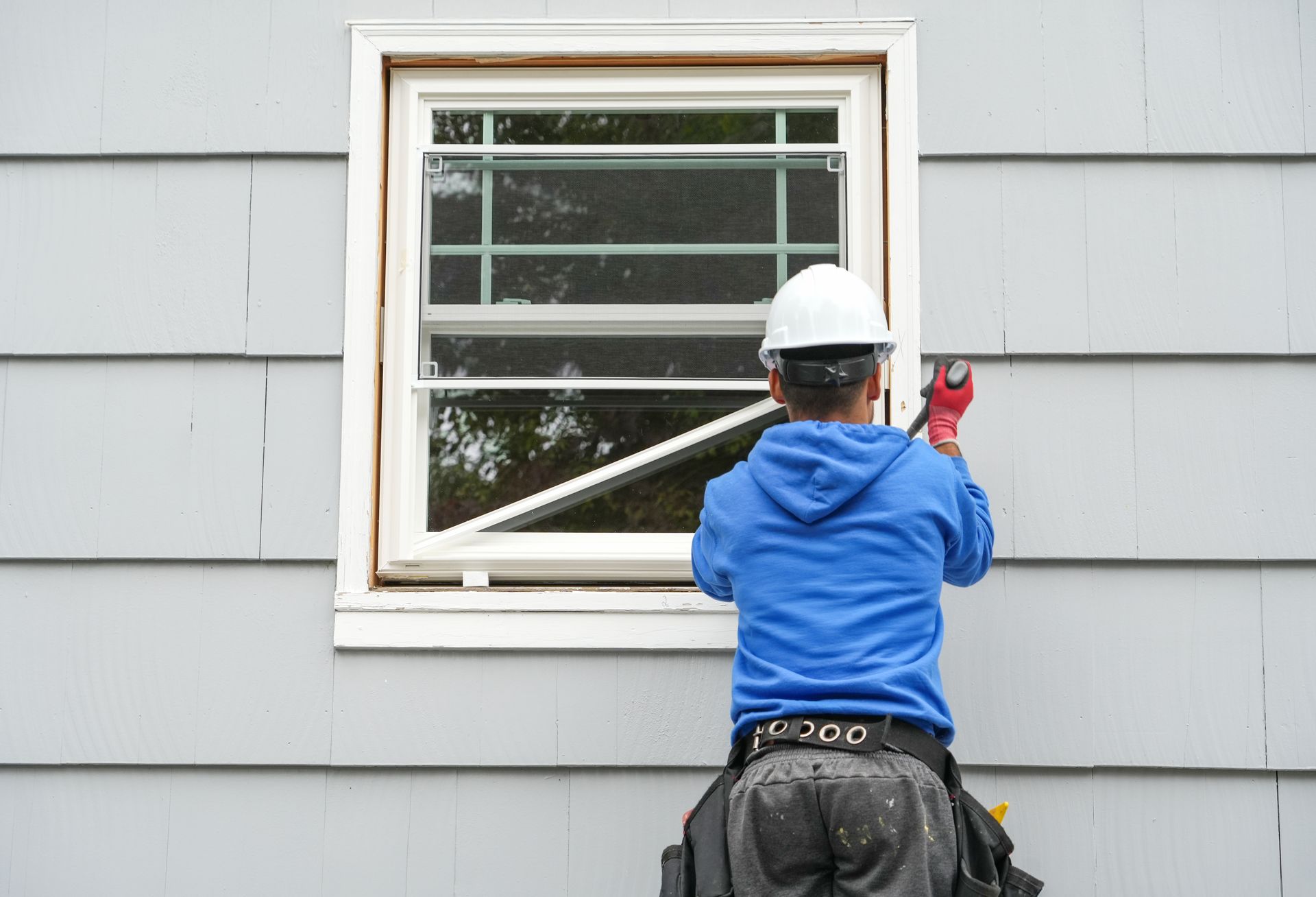
Worker in blue hoodie caulking a white-framed window on a gray house.
By Grant Roofs Ohio • October 21, 2026
Compare repair and replacement for drafty windows in Northeast Ohio. Review window condition, product choices, installation scope, and questions to ask.
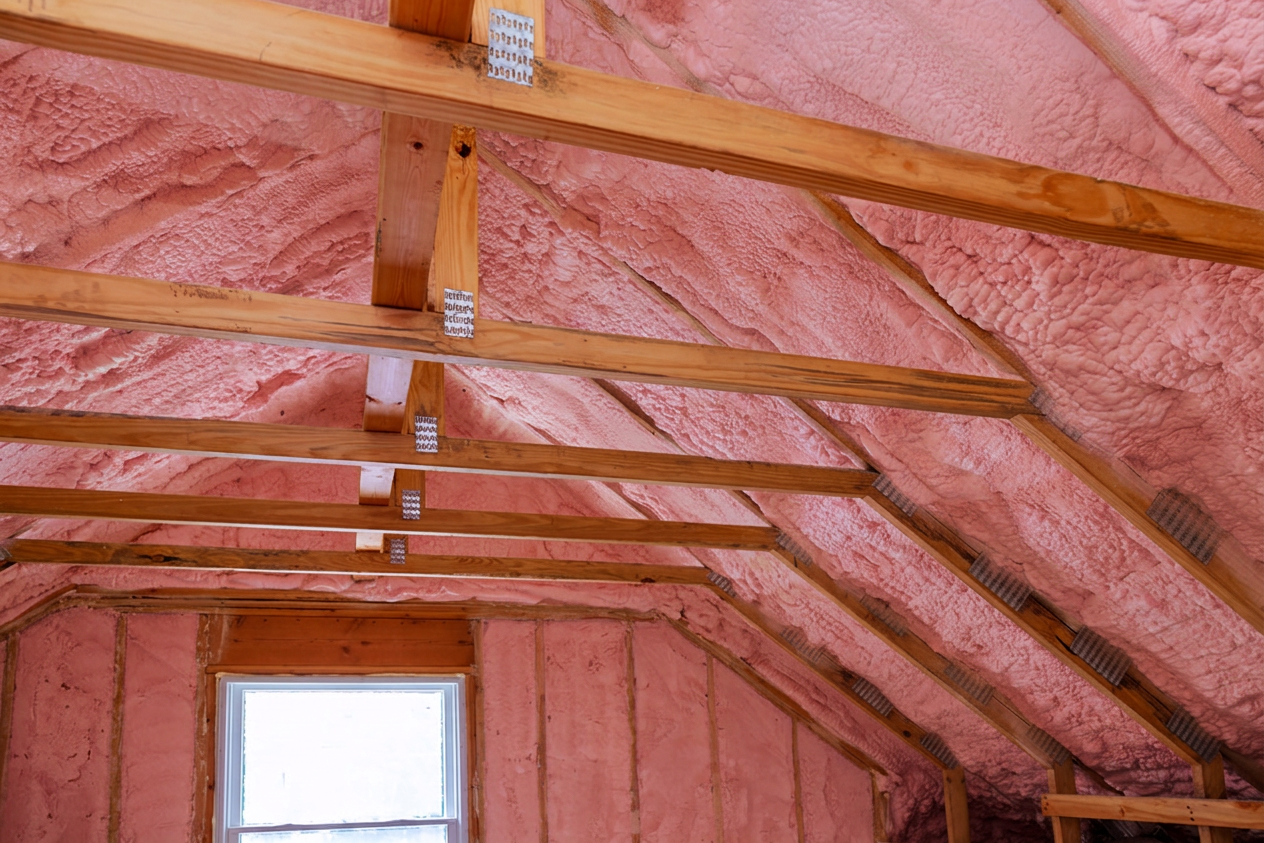
Pink spray-foam insulated attic with exposed wooden rafters and a small window
By Grant Roofs Ohio • October 14, 2026
Learn how attic air sealing, insulation, and ventilation work together to reduce ice-dam risk, and what to ask before improving your Northeast Ohio attic.

Worker in a hard hat and safety vest inspecting a house roof with a clipboard
By Grant Roofs Ohio • October 7, 2026
Overflowing or sagging gutters? Learn what Northeast Ohio homeowners should check before winter and how to compare gutter cleaning, repair, and replacement.
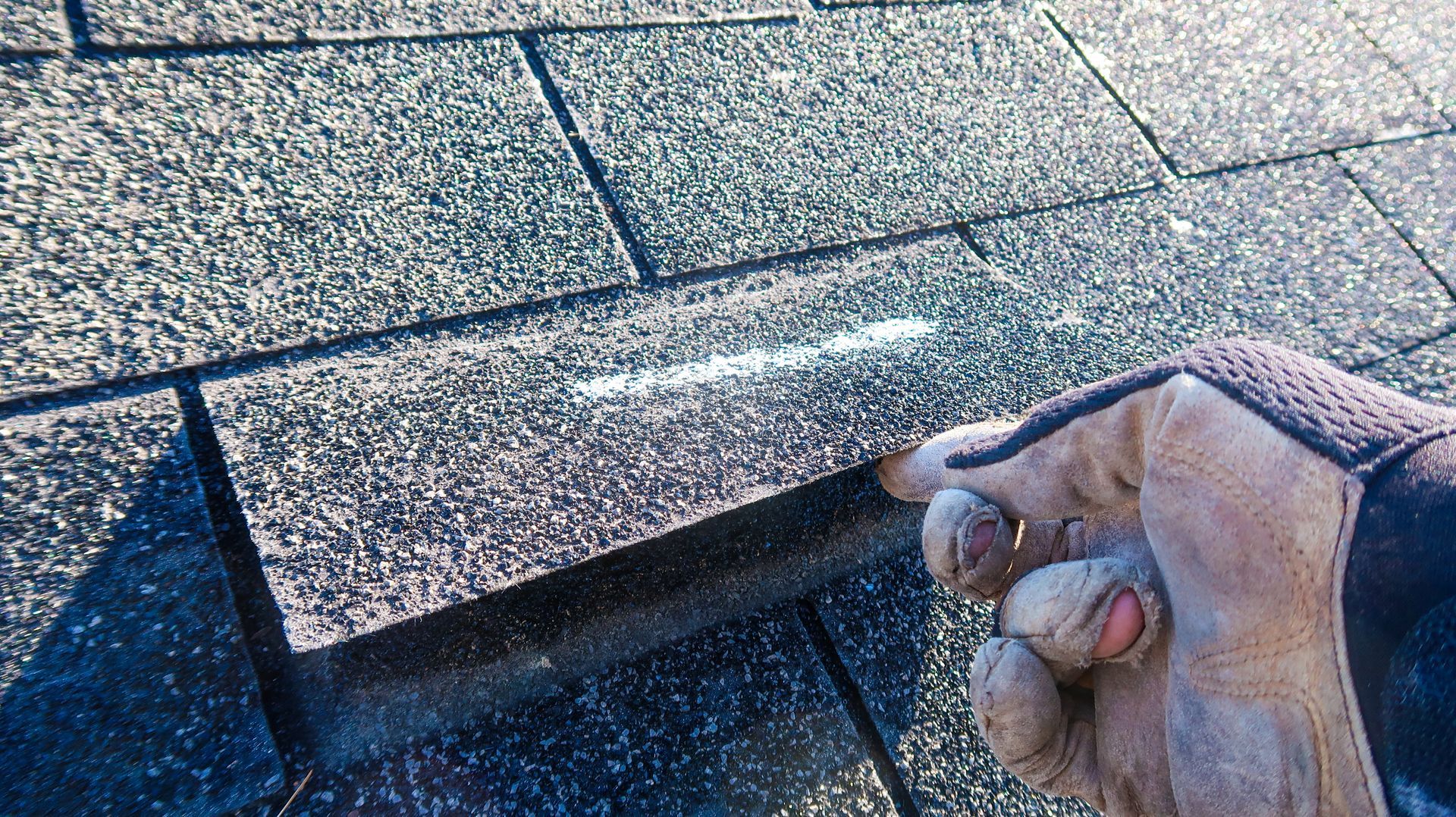
By Grant Roofs Ohio • September 30, 2026
Compare roof repair and replacement in Northeast Ohio. Learn which findings matter, what to ask during an inspection, and how to evaluate the scope of work.

By Grant Roofs Ohio • September 23, 2026
Get your Northeast Ohio roof ready for winter with a fall checklist covering roof repairs, gutters, attic insulation, ventilation, and ice-dam prevention.