Fall Roof Maintenance Checklist for Northeast Ohio Homeowners
Before snow covers the roof, fall gives Northeast Ohio homeowners a chance to address problems that are easier to inspect in clear weather. A missing shingle, a leaking gutter joint, or an old ceiling stain deserves attention before winter makes the source harder to see.
To prepare your roof for winter, arrange a roof inspection, address damaged shingles and flashing, check gutter drainage, and review attic air sealing, insulation, and ventilation together. If your home has a history of ice dams, include that history in the inspection rather than treating it as a separate winter problem.
This checklist can help homeowners in Westlake, North Olmsted, Rocky River, Lakewood, and surrounding Northeast Ohio communities organize the work and ask better questions before approving a repair.
1. Start With What You Can See From the Ground
Walk around the house in daylight and look at each roof slope from a safe vantage point. Note anything that appears different from the rest of the roof: a missing shingle, an uneven edge, displaced flashing, or debris collected in a valley. Binoculars or a phone camera may help you document an area without climbing onto the roof.
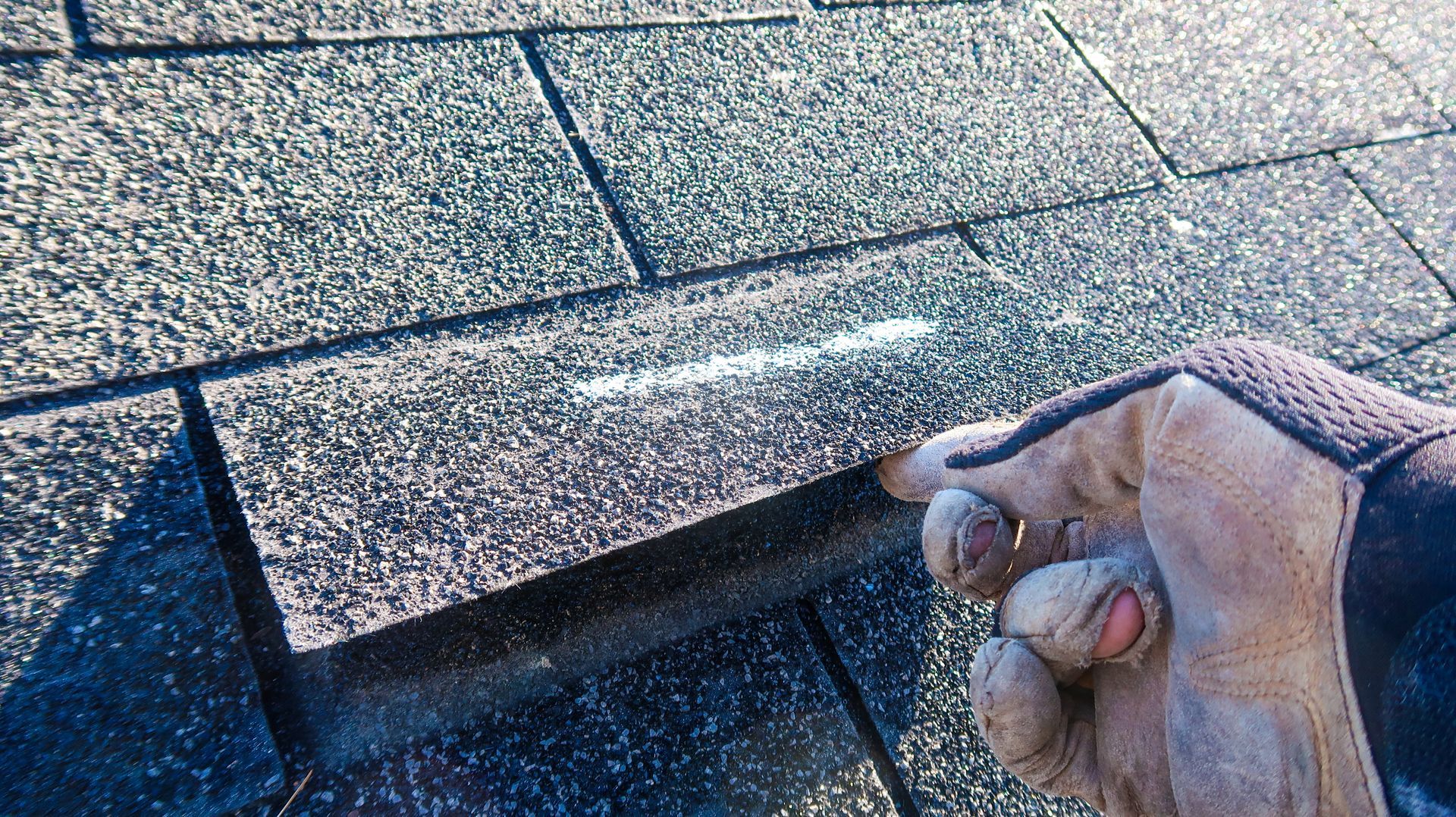
- Roof covering: Look for visible gaps, lifted edges, and damaged areas.
- Roof intersections: Note areas around chimneys, dormers, and walls that need a closer professional inspection.
- Roof edges: Look for loose gutters, damaged trim, or staining below an overflow point.
- Nearby trees: Identify branches touching the roof and discuss appropriate trimming with a qualified tree professional.
A ground-level check cannot confirm that a roof is watertight. Use your observations to guide an inspection, not as proof that concealed areas are in good condition. Leave roof access and ladder work to professionals with the right equipment.
2. Address Existing Leaks and Roof Damage
Make a short list of leaks, stains, or repairs you have noticed during the year. Include when each issue appeared and what the weather was doing. Water showing up during wind-driven rain may need a different investigation from a stain that appears during snowmelt.
Ask the roofer to explain what was found, where it is located, and how the proposed work addresses the source. Photos are particularly useful when comparing a repair recommendation with an area you cannot safely see yourself.
Grant Roofs Ohio provides roof repair services that include shingle and chimney-flashing repairs. A fall inspection is an opportunity to determine whether a localized repair is appropriate or whether the roof needs a broader evaluation.
Avoid assuming that every aging roof needs replacement. Equally, a new patch should not be treated as a solution to an underlying problem that has not been identified.
3. Check Gutters and Downspouts Before Freezing Weather
Look for overflowing gutter sections during rain, water escaping at seams, or a downspout that is not carrying water away as expected. If leaves continue falling after the first cleaning, plan a follow-up check before winter.
Have the drainage system reviewed as a whole. Clearing debris helps only if the gutters remain securely attached and the downspouts have a usable discharge path. Water should not be directed onto a walkway where it can freeze or toward an area that already has drainage problems.
If sections are deteriorated or repeatedly overflow, discuss repair versus replacement. Grant Roofs Ohio offers gutter installation and replacement as part of its exterior services.
Clean gutters are useful winter preparation, but they do not eliminate heat loss through the attic or guarantee that ice dams will not form.
4. Understand Why Ice Dams Can Return
An ice dam forms when snow melts on a warmer part of the roof and the runoff refreezes near a colder edge. As ice builds up, it can hold back additional meltwater, allowing water to move beneath the roof covering.
Heat escaping from the house is an important factor to investigate. A roof can have intact shingles while the attic below it contributes to uneven roof temperatures. Weather, sun exposure, roof geometry, and snow conditions also affect what happens on a particular home.
If ice dams occurred last winter, gather any photos and mark the locations where water entered. Tell the contractor whether the problem was concentrated above a particular room, around a dormer, or along one roof edge. Those observations help focus the evaluation; they do not establish the cause on their own.
5. Review Air Sealing and Insulation Together
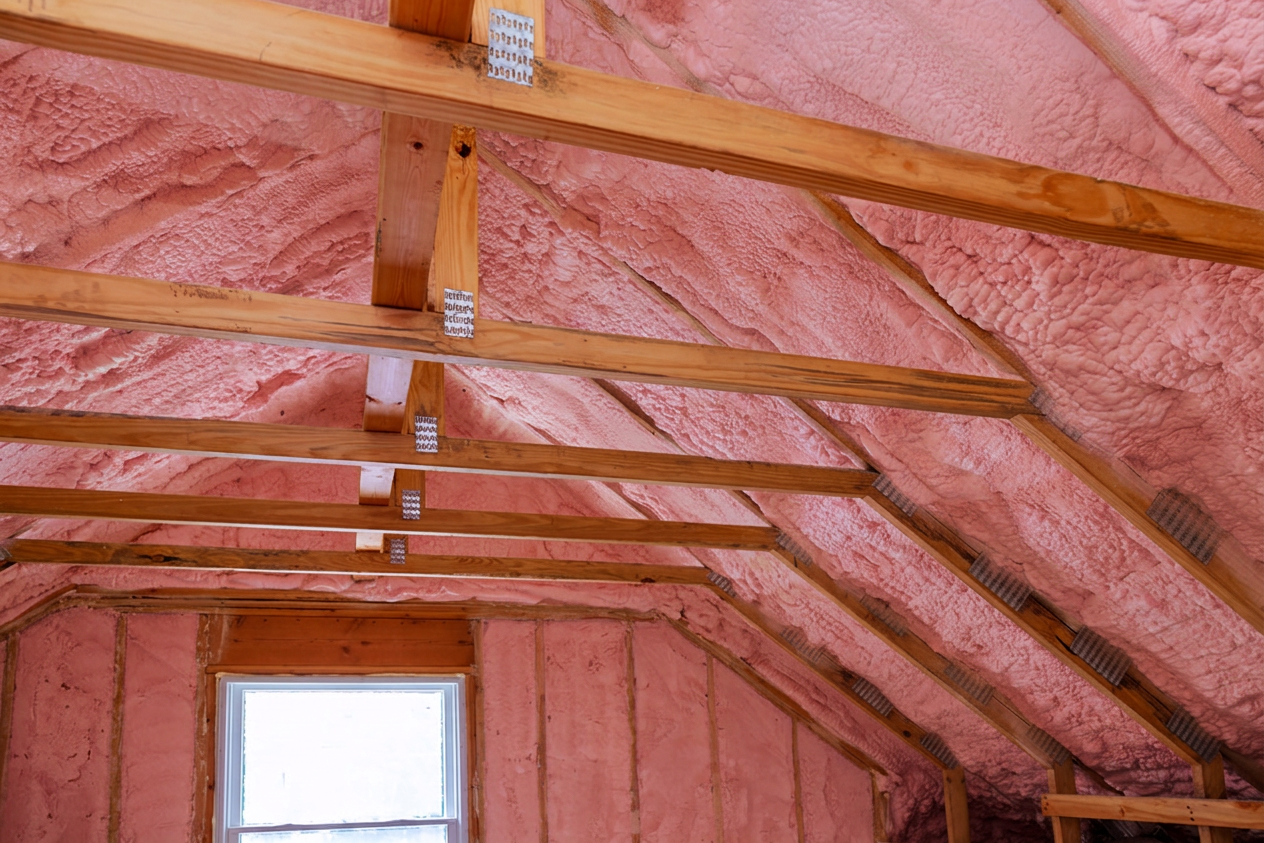
Air sealing and insulation perform different jobs. Air sealing limits unwanted air movement through openings between the house and attic. Insulation slows heat transfer. Adding insulation without evaluating air leaks can leave an important part of the problem unresolved.
ENERGY STAR recommends completing attic air sealing before an attic insulation project. Its guidance also identifies recurring ice dams and uneven room temperatures as reasons to consider an assessment.
Ask the contractor to review the attic access, existing insulation coverage, and penetrations through the ceiling. The evaluation should also identify moisture problems before additional material is installed. Wet insulation or signs of roof leakage need a diagnosis, not simply another layer of insulation.
There is no single insulation depth that suits every attic. The material, existing condition, roof assembly, and recommended R-value all matter. Ask for a written scope explaining what will be corrected and how the proposed work fits your home.
6. Make Sure Ventilation Matches the Attic Design
In a conventional vented attic, intake openings near the eaves and exhaust openings higher on the roof provide an airflow path. That path needs to remain open. Insulation pushed into the eaves can interfere with intake airflow; properly installed baffles help maintain separation between the insulation and the ventilation space.
The goal is to coordinate ventilation with air sealing and insulation. Ventilation does not replace either one, and adding more vents without evaluating the existing arrangement is not a complete plan. Homes with an unvented attic or insulation at the roof deck require a different assessment.
Ask whether the intake and exhaust are appropriate for the roof assembly, whether airflow paths are obstructed, and whether bathroom or other exhaust ducts terminate outdoors. Grant Roofs Ohio's roof-repair services include attic ventilation solutions, making this a useful topic to include in the same conversation as your exterior roof inspection.
7. Turn the Inspection Into a Prioritized Work List
Before approving work, ask for a clear distinction between an active problem, a recommended improvement, and an item to monitor. This makes it easier to budget and understand which tasks need attention before winter.
- Address promptly: Active leaks, loose components, and other conditions the contractor identifies as requiring immediate attention.
- Plan before winter: Needed roof repairs, drainage corrections, and agreed attic improvements.
- Keep on record: Inspection photos, completed repair details, and any areas to revisit.
Ask who is responsible for each part of the work and whether separate trades are needed. Keep the estimate and completion photos together so you can reference them if a concern develops later.
Frequently Asked Questions About Fall Roof Maintenance
When should I schedule a fall roof inspection?
Arrange it early enough to review the findings and complete recommended work before winter conditions interfere. If you already have a leak or visible damage, request an assessment promptly rather than waiting for a seasonal appointment.
Will cleaning my gutters prevent ice dams?
No. It helps maintain drainage, but ice dams can also involve heat escaping through the attic and differences in roof temperature. Recurring ice buildup calls for an evaluation of the roof and attic together.
Can adding insulation fix an ice-dam problem?
It may be part of the solution. The assessment should also consider air leakage and the roof's ventilation design. The right recommendation depends on the home's construction and the source of the heat reaching the roof.
Does an ice dam mean I need a new roof?
Not necessarily. Ask for separate findings on the condition of the roof covering and the factors contributing to ice buildup. Replacing shingles alone may leave the original cause unresolved.
What should I bring to the inspection?
Share photos of previous ice buildup, the locations of interior stains, approximate dates of leaks, and records of prior repairs. A short written history can help the contractor investigate issues that are not visible on the inspection day.
Get Your Northeast Ohio Roof Ready for Winter
Grant Roofs Ohio is based in Westlake and serves homeowners throughout Northeast Ohio. If you have noticed roof damage, gutter trouble, or recurring winter leaks, request a roof inspection and estimate. A review before winter can help you understand what needs attention and plan the next step with clear information.
Recent Posts